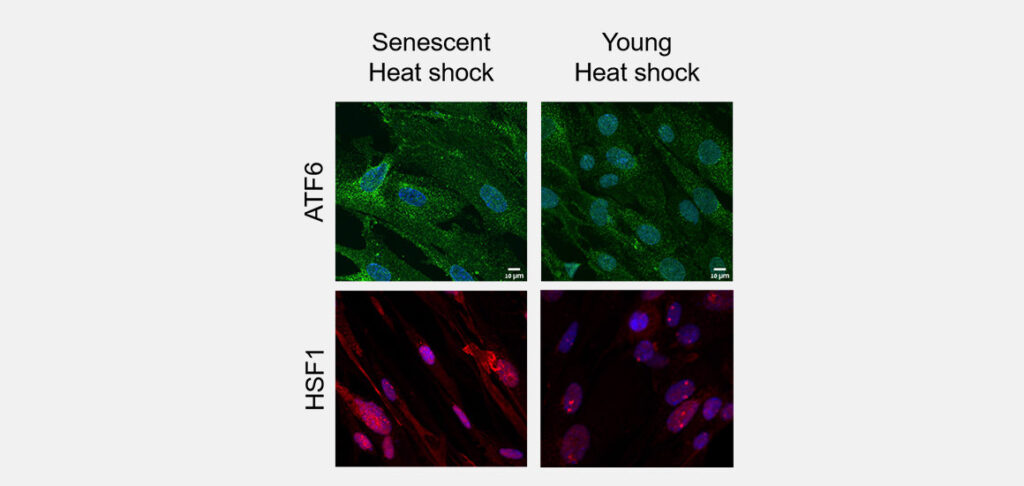

Like quality controls built into an assembly line, the body has a vital protein control mechanism that maintains homeostasis. Because proteins play many critical roles in the body, doing most of the work in our cells, this system, called proteostasis, continually tests the quality of the proteins, fixing or sweeping away damaged ones.
Technion researchers have demonstrated, for the first time, how this quality control system breaks down with aging, leading to neurodegenerative diseases of the elderly such as Alzheimer’s and Parkinson’s, as well as Huntington’s and ALS.
When the body is functioning correctly, proteins undergo a physical process called folding, where they acquire a specific three-dimensional structure that allows them to interact normally with other cell components. Defects in the folding process cause these damaged proteins to become “sticky” and accumulate in cells. This unchecked accumulation has been linked to neurodegenerative diseases.