
Are you a morning lark or a night owl?
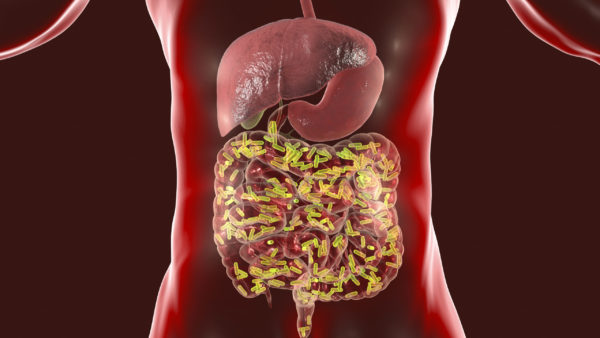
Whether you’re a “morning person” or a “night person” may have something to do with your gut bacteria. A collaborative research project between the University of Haifa and the Technion has found that “morning people” and “night people” differ from each other in their gut microbiome – the bacterial populations that inhabit our digestive tract.
The study was conducted in collaboration between researchers and a number of research groups at the two universities: Assistant Professor Naama Geva-Zatorsky, head of the Microbiome Research Lab of the Rappaport Faculty of Medicine at the Technion, and her Ph.D. student Shaqed Carasso; Associate Professor Eran Tauber, head of the Biological Clock Lab in the Department of Evolutionary and Environmental Biology at the University of Haifa, and his lab manager Dr Bettina Fishman; and Professor Tamar Shochat and research student Liel Stelmach Lask, of the Cheryl Spencer Department of Nursing at the University of Haifa. The challenge was to examine differences in gut microbiome composition between early risers and night people.
“This is the first time that a connection has been found between people’s gut microbiome, eating behavior and sleep patterns,” said Prof. Tauber. “These discoveries are likely to pave the way to change these patterns by altering one’s diet.”
Every person falls into one of three chronotypes: “larks,” who are morning people who get up early and are at their best in the morning; “owls,” who are night people who go to bed late and have a hard time functioning in the morning; and the intermediate group, which is made up of most of the population. Studies conducted in recent years found significant differences between the different chronotypes – physiological, cognitive, and in the structure of their personality.