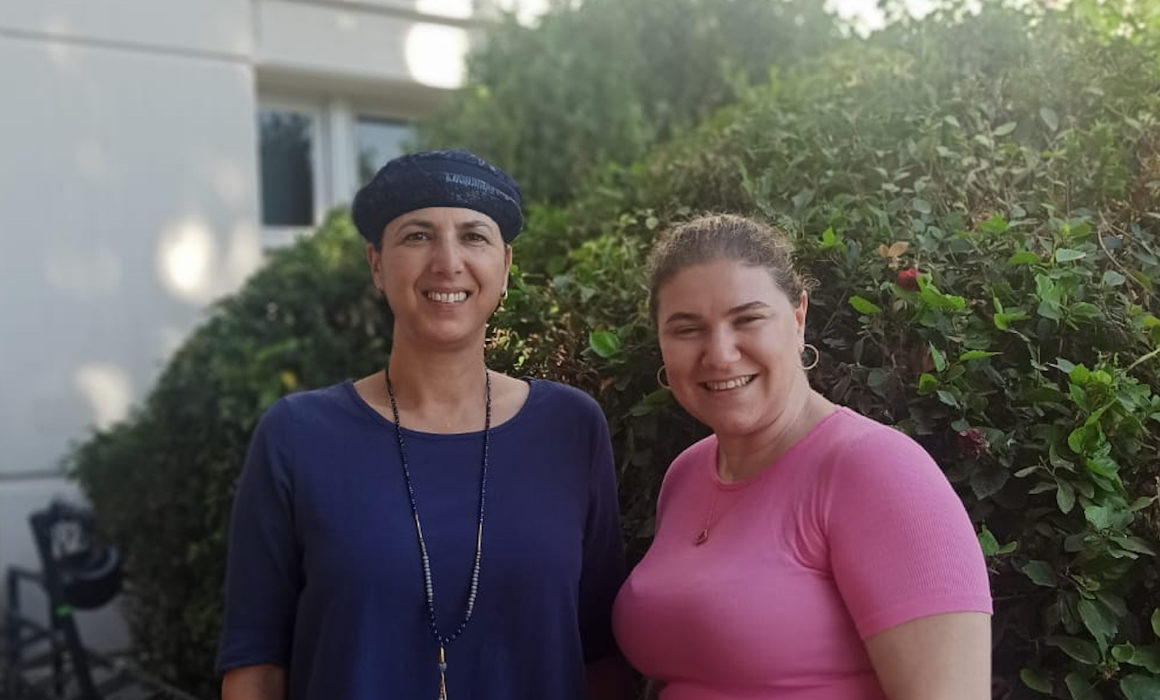
Pictured above: Professor Shulamit Levenberg (Left) and Ph.D. student Rita Beckerman
The Technion has developed a novel approach to treat type 2 diabetes. Led by Professor Shulamit Levenberg and Ph.D. student Rita Beckerman, the treatment uses an autograft of muscle cells engineered to take in sugar at increased rates. Mice treated in this manner displayed normal blood sugar levels for months after a single procedure.
Prof. Levenberg is the director of the Rina & Avner Schneur Center for Diabetes Research and the Technion Center for 3D Bioprinting, and holds the Stanley and Sylvia Shirvan Chair in Cancer and Life Sciences in the Faculty of Biomedical Engineering.
Diabetes is caused by insulin resistance and a reduction of cells’ ability to absorb sugar. Its long-term complications include heart disease, strokes, damage to the retina that can result in blindness, kidney failure, and poor blood flow in the limbs that may lead to amputations. It is currently treated by a combination of lifestyle changes, medication, and insulin injections, but ultimately is associated with a 10-year reduction in life expectancy.
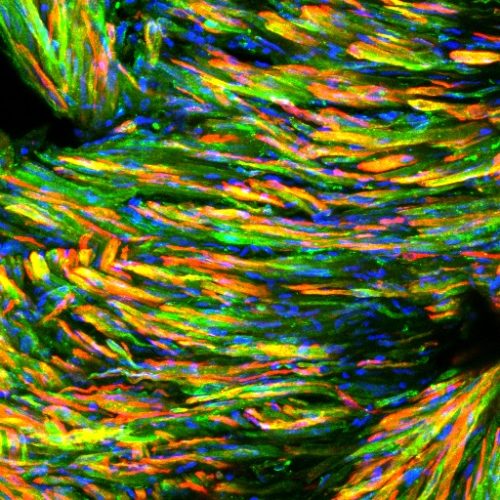
In their study, Prof. Levenberg’s group isolated muscle cells — one of the main targets of insulin, as they absorb sugar from the blood — from mice and engineered these cells to present more insulin-activated sugar transporters (GLUT4). These cells were then grown to form an engineered muscle tissue, and finally transported back into the abdomen of diabetic mice.