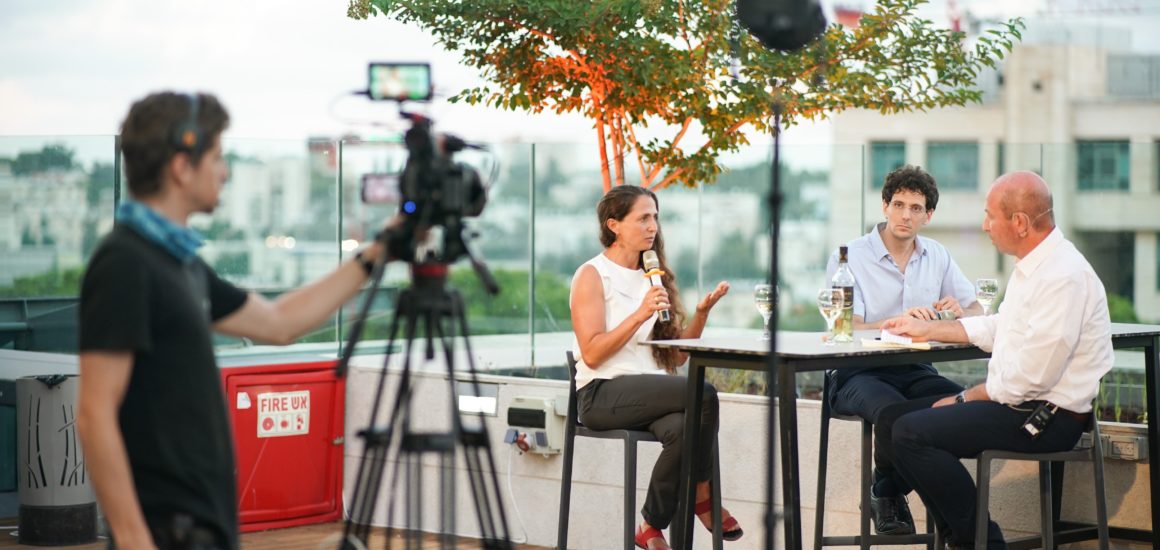
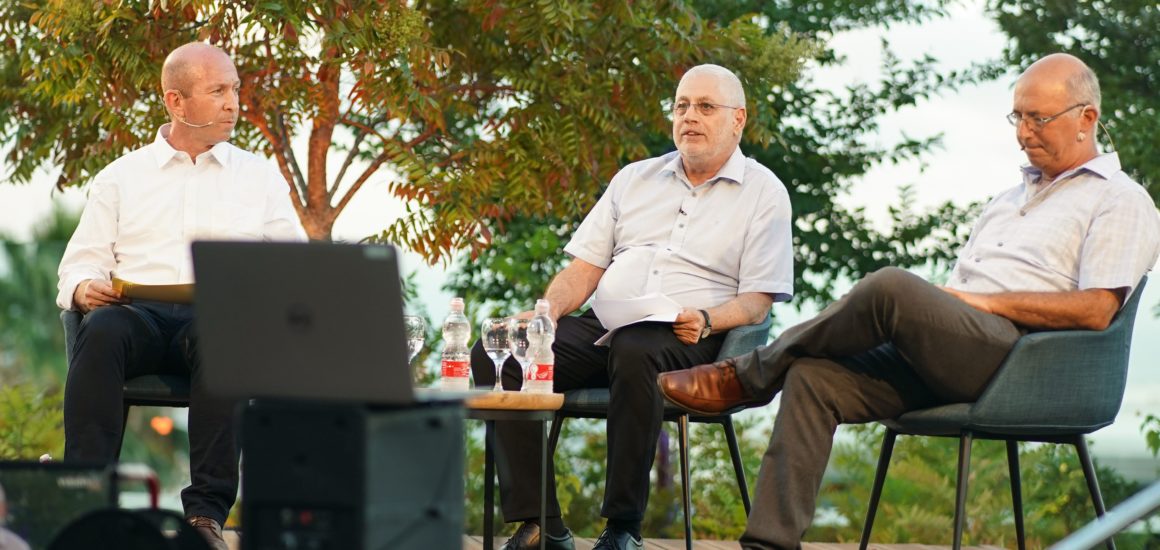
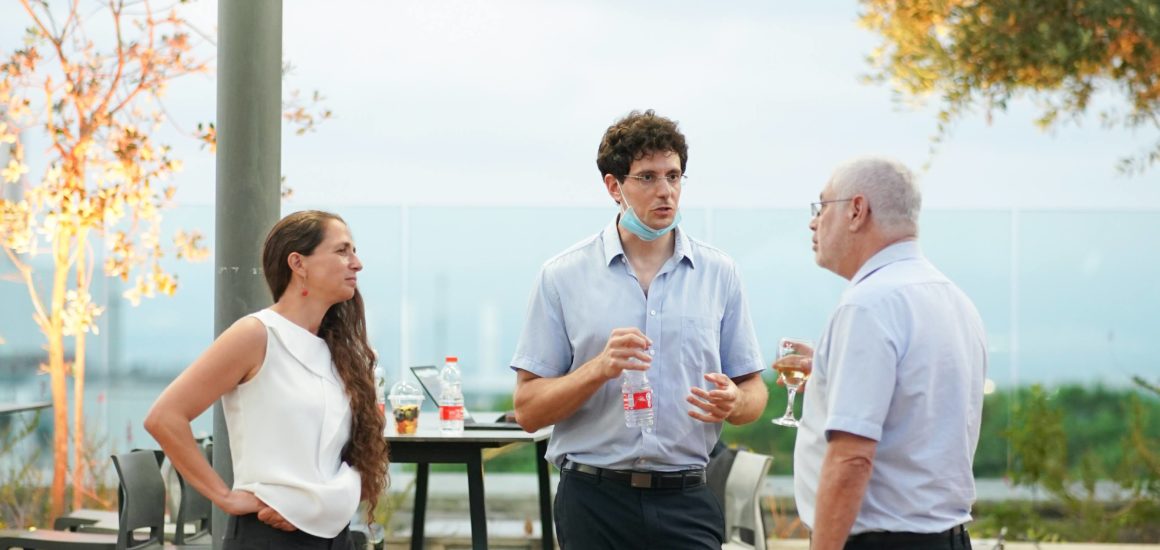
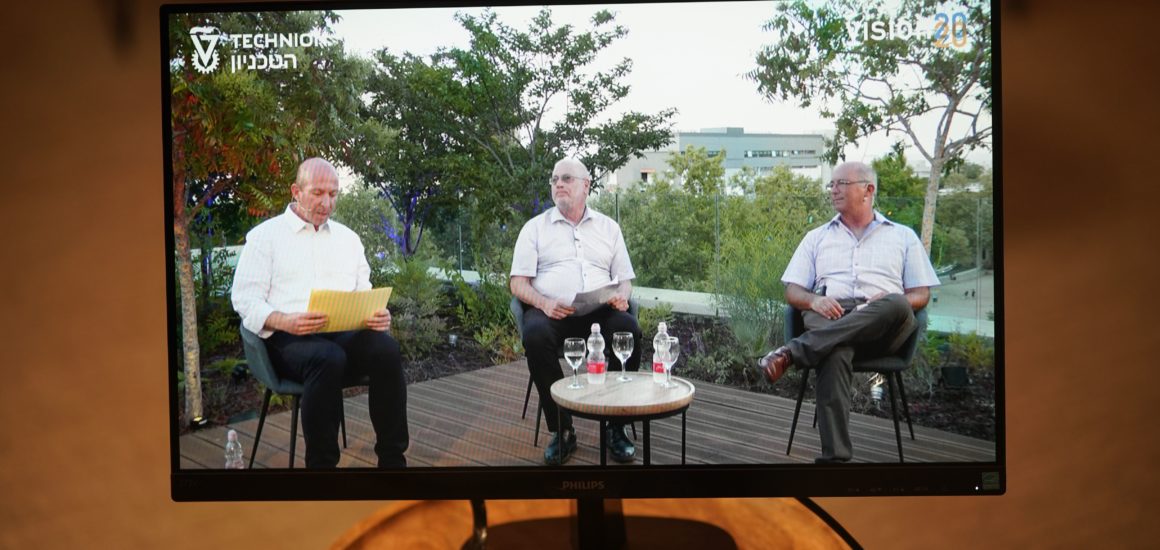
Given the virtual aspect of the meeting, the Technion found creative ways to bring the campus to BOG participants, starting with a video tour of faculty labs. Professor Ido Kaminer, a faculty member of the Andrew and Erna Viterbi Faculty of Electrical Engineering and the Solid State Institute, brought viewers inside the Robert and Ruth Magid Electron Beam Quantum Dynamics Lab, which houses an ultrafast transmission electron microscope. Prof. Kaminer discussed using the microscope, among the latest and most versatile of its kind in the scientific world, to see for the first time ever how light flows inside a tiny photonic crystal. He also talked about developing methods to use ultraviolet and laser light to kill viruses like the coronavirus. Prof. Kaminer is also affiliated with the Helen Diller Quantum Center and the Russell Berrie Nanotechnology Institute.
Professor Naama Geva-Zatorsky of the Ruth and Bruce Rappaport Faculty of Medicine toured her lab in the Technion Integrated Cancer Center (TICC), focused on the gut-brain axis, a new field that studies the interaction between gut bacteria and the brain. Introducing her lab partners, she discussed their work in using gut bacteria to treat cancer, exploring communication between gut bacteria and the immune system, and even developing a new test kit for the coronavirus. “The Technion is a great place to work — a lot of collaboration, a lot of expertise. I really feel we’re at the cutting edge of science worldwide,” she said. Prof. Geva-Zatorsky’s work receives support from the Crown Family Foundation, the Applebaum Foundation, and the Technion COVID-19 Research Fund.
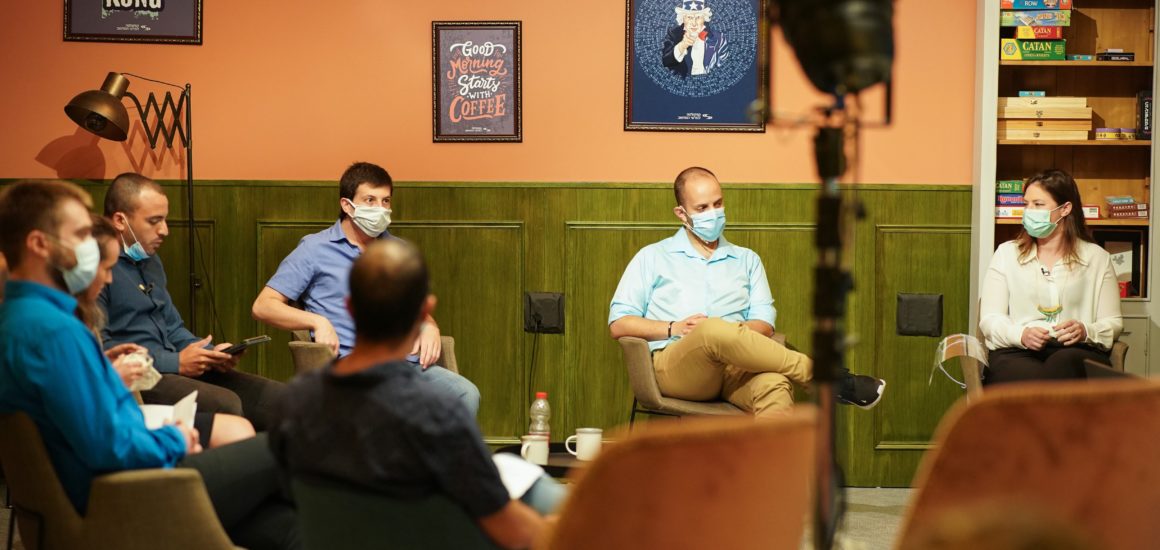
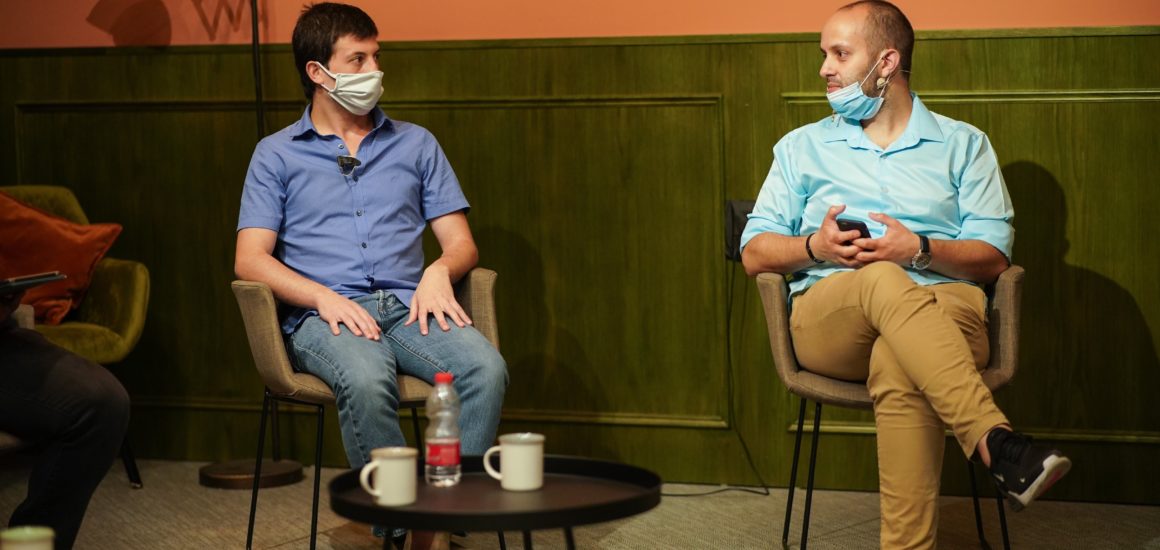
Another BOG highlight was Operation COVID-19, a live student panel held in The Taub Family Student Learning Center, where several students shared their experiences during the pandemic. Ultra-Orthodox student Mendel Bench Shmuel talked about his journey from the yeshiva to the Technion and contracting COVID-19 along the way. “I arrived at the Technion without any background to start my academic studies, just my suitcase,” said Shmuel, who like most ultra-Orthodox did not receive a secular education. The Pre-University Center, supported by the Velva G. and H. Fred Levine Second Chance Program, filled the academic gap, allowing him to enter the Andrew and Erna Viterbi Faculty of Electrical Engineering. Just days into the spring semester Shmuel fell ill and was hospitalized for 12 days. “During that time, I felt much love from everyone. When I was released, after losing time for the semester, I was glad to be able to postpone my exams.”
Other students talked about the TSA’s organization of more than 100 students to deliver groceries and visit self-isolating seniors in the Haifa community. The volunteers helped their peers navigate Zoom learning, and donated computers to children in need to continue school remotely. The TSA also organized board game tournaments, Zoom pajama parties, and a music playlist to help students keep in touch with one another. And medical students volunteered to test for COVID-19, and manufactured 3D-printed protective face shield for frontline medical workers.
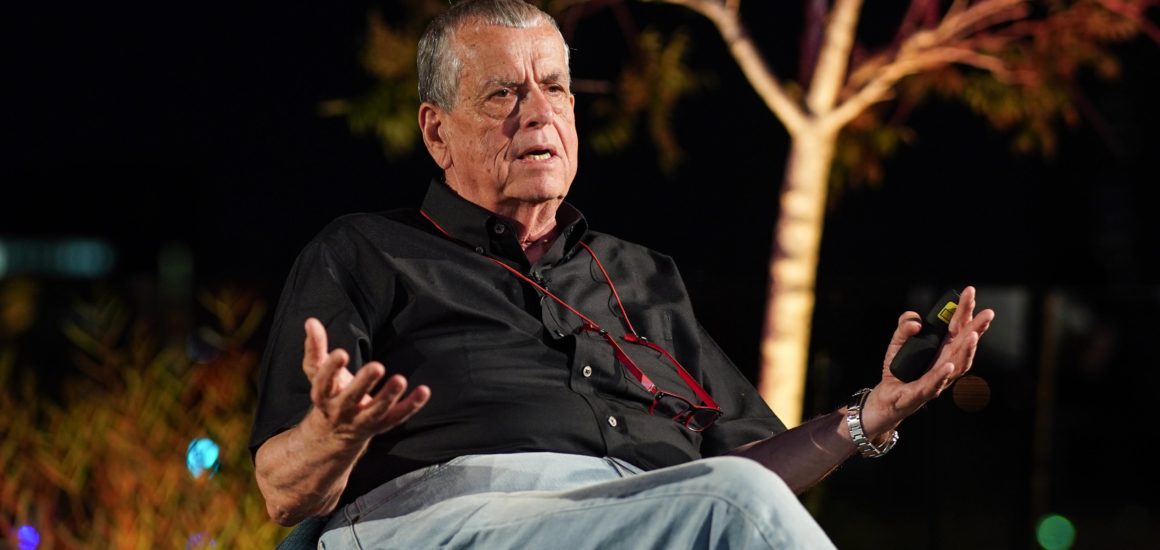
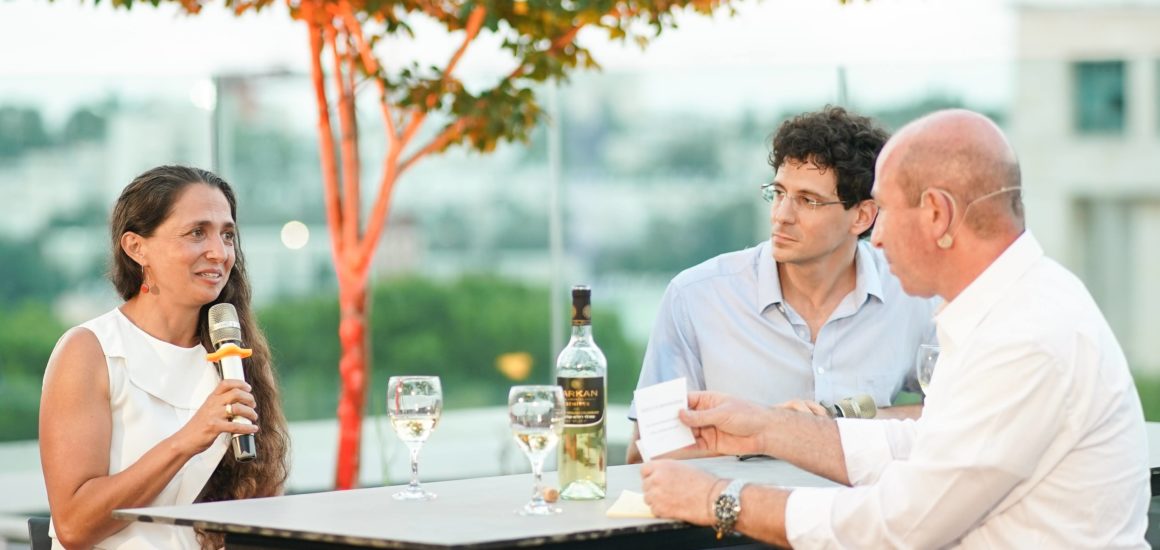
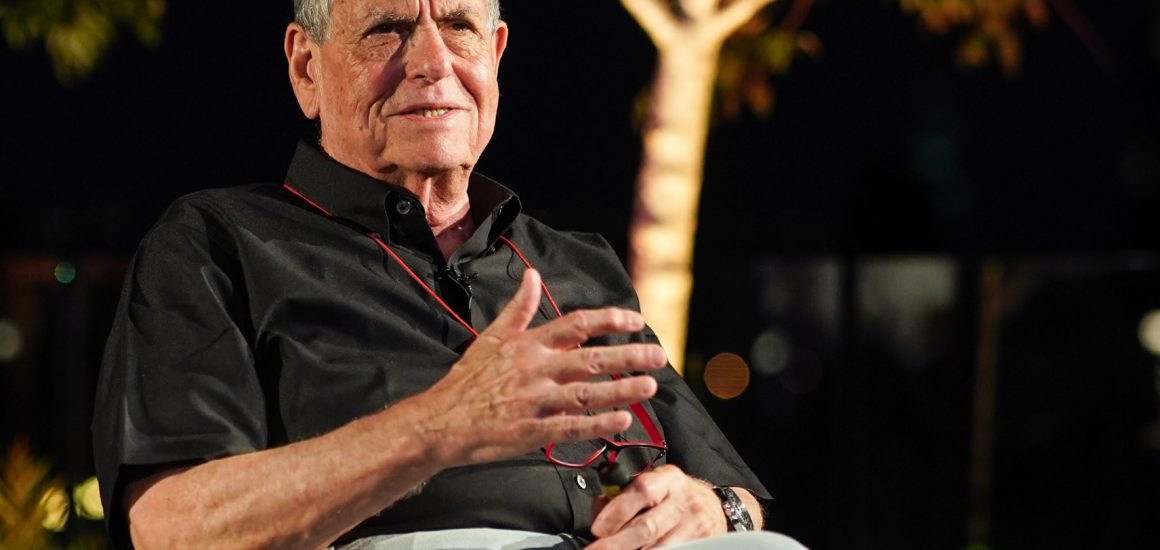
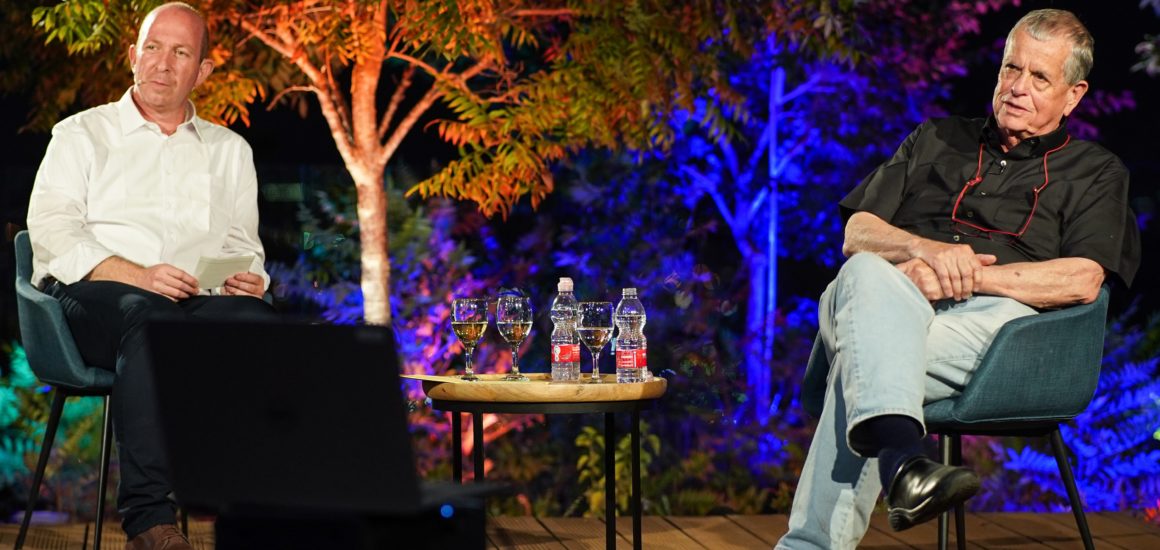
Nobel Laureate Aaron Ciechanover of the Ruth and Bruce Rappaport Faculty of Medicine, closed the Board of Governors meeting with the broad-ranging, thought-provoking presentation: “Science and Ethics During Corona Times: New-Old Challenges.” Distinguished Professor Ciechanover discussed ethical questions raised by the pandemic such as who receives ventilation and who is left behind when respirators are in short supply. What treatments are postponed to free up hospital rooms for coronavirus patients.
But technological advances in DNA, in vitro fertilization, genetic testing and other aspects of medicine “started people thinking about ethics decades ago,” he said. Who decides when to end life support; what diseases warrant discarding an embryo? When does a healthy person become a patient in a time when blood tests can detect cancer or Alzheimer’s years before symptoms emerge?
“We have huge ethical gaps, and in the end, there is not one solution,” Prof. Ciechanover said. Neither the patient, doctor, scientist, clergyman, or politician should make these ethical decisions alone, he said. “We need them all to build a societal network to decide what’s ethical or unethical. And at the end of the day, it needs to be anchored in a legal system.” Bringing his thoughts back to the pandemic, he concluded: “If you want to take something positive out of COVID, it put the ethical problems in front of our mirror.”
If you missed the broadcast or would like to view it again, you can watch it on Technion’s Facebook page or on Technion’s website.