Going back as far as World War I, surgeons have been using the so-called “Robbing Peter to Pay Paul” principle to do reconstructive surgery. That means transplanting a patient’s healthy body tissue from one part of the body to the damaged site. In rebuilding the lower jaw, for example, surgeons might use part of a patient’s fibula bone and surrounding soft tissue for the implantation.
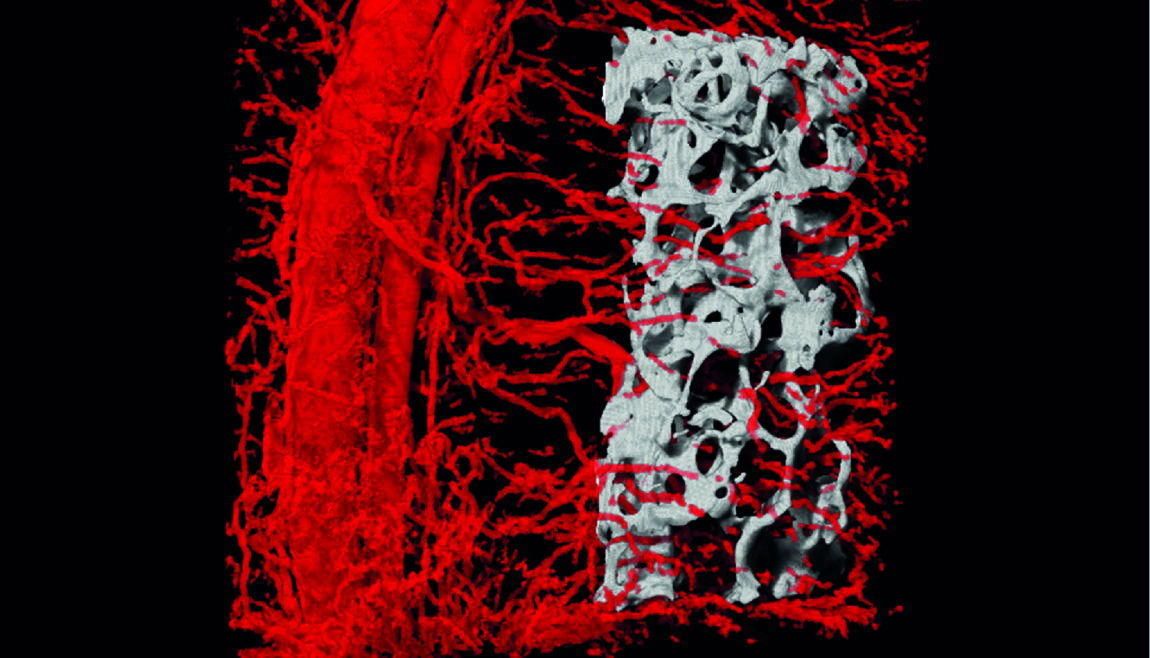
But this approach carries significant disadvantages, namely considerable pain and potential complications associated with the surgery at the donor site. Now Technion researchers have made a major breakthrough in developing an alternative to traditional tissue replacement. Their method would help build new tissue in the lab from scratch for implantation, a process known as de novo generation. No longer would surgeons have to relocate the tissue from another part of the patient’s body.
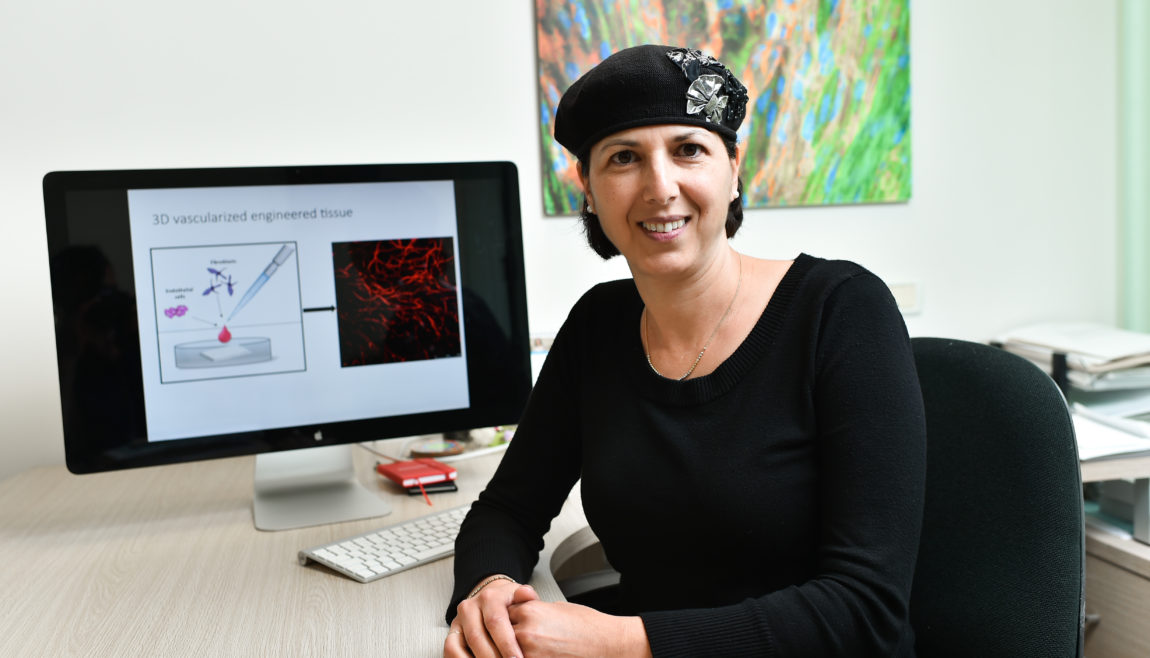
The discovery is rooted in Professor Shulamit Levenberg’s Stem Cell and Tissue Engineering Laboratory, which focuses on creating lab-grown tissues and the complex blood vessel networks needed to nourish them. Last year, Prof. Levenberg, dean of the Technion Faculty of Biomedical Engineering, and her team demonstrated that by using these methods they could promote regeneration of spinal cord injuries in rats.