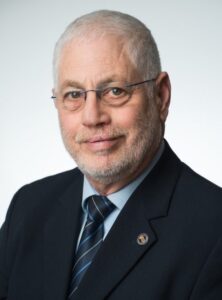
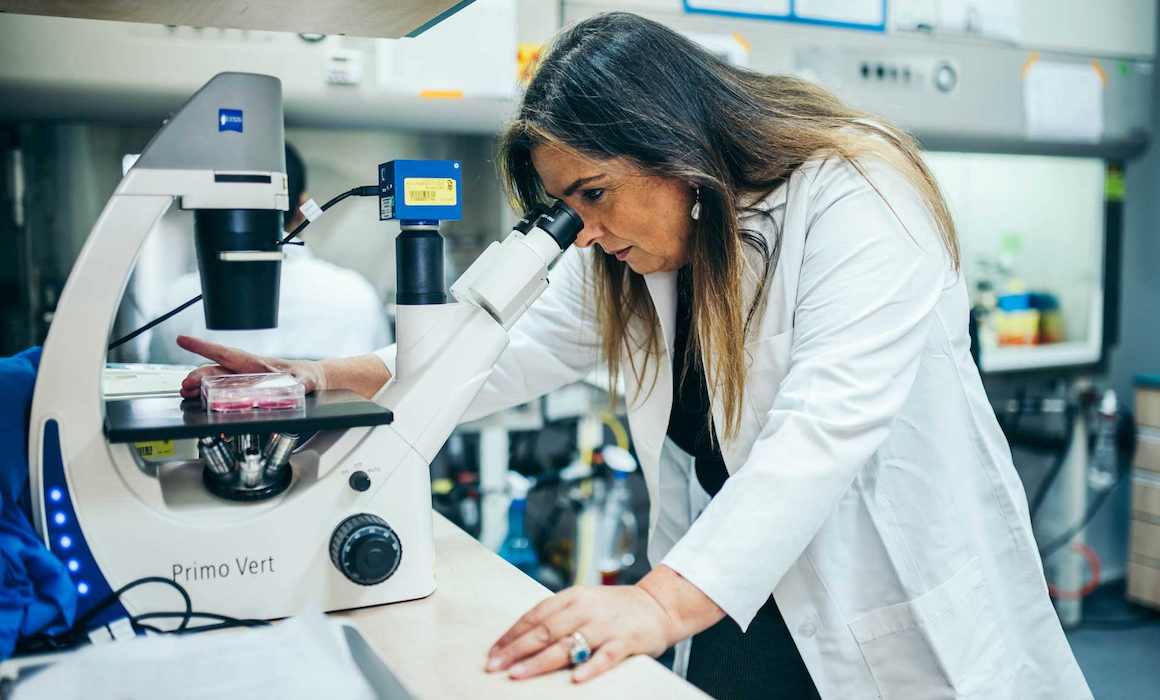
Pictured Above / Professor Marcelle Machluf, dean of the Technion Faculty of Biotechnology and Food Engineering.
Israel’s food sector is a $20 billion business, representing 5% of the country’s GDP. Yet lack of capital, stagnating innovation, and rapidly changing consumer demands threaten to erode this success.
The new Carasso FoodTech Innovation Center, part of the Faculty of Biotechnology and Food Engineering’s Bio-Health Technology Innovation Initiative, aims to tackle these unanswered challenges. The Center will develop sustainable ways to supply a healthy, tasty, and nutritious diet to a growing world population, while growing Israel’s food sector.
“We overfish, overgrow, and overuse our resources,” said Professor Ester Segal, head of the Laboratory for Multifunctional Nanomaterials. “Why? Because about one-third of the food being produced now is being thrown away without being used. We have to find means to maintain our resources and minimize food waste,” added Segal, who is developing antimicrobial packaging that gradually releases compounds into the food that kill harmful bacteria.
Prof. Segal, along with Professors Marcelle Machluf and Uri Lesmes spoke in February 2022 at a Live From Technion webinar, “Feeding the Future: Technion’s Ingenious Approach to Sustainable Food Tech.” You may access the recording here.
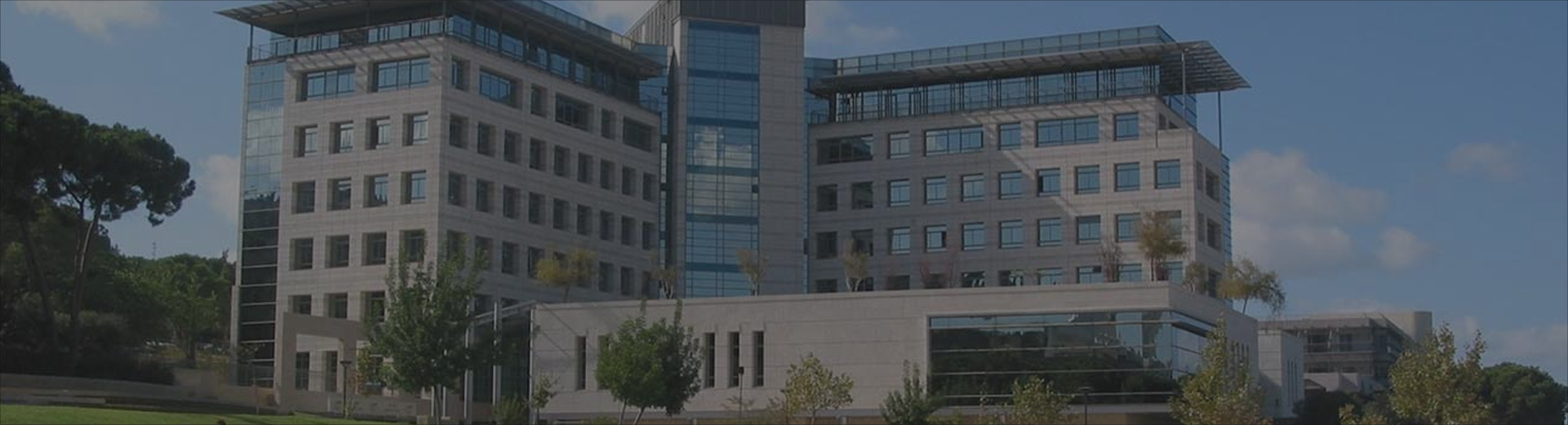
The Center will be housed in what was previously the Food Industries Center. The expanded and upgraded building will be one of its kind in Israel and one of the most advanced in the world; it will feature an R&D center for industrial production, a packaging laboratory, an industrial kitchen, as well as tasting and evaluation units that will be used for teaching and research in the Faculty of Biotechnology and Food Engineering. The Carasso FoodTech Innovation Center will be housed in an existing, dedicated structure alongside the faculty, and will include a visitor area that will expose high school students to the world of foodtech, and serve as a hub for startups, where they can benefit from R&D services.
Professor Marcelle Machluf, dean of the Faculty of Biotechnology and Food Engineering at the Technion, said, “the faculty is one of the only ones in the world that combines the disciplines of bioengineering, technology, food sciences, and life sciences. Coping with the COVID-19 pandemic has only emphasized the importance of food and biotechnology in maintaining our existence and meeting future existential challenges.”
“To address the many challenges in this field, including access to healthy, affordable food and innovative medical treatments, we need advanced infrastructure that will enable the integration of new engineering and scientific tools; these will enable us to develop the necessary technologies, as well as the infrastructure and equipment that will support the development and assimilation of the knowledge required to tackle tomorrow’s food challenges.”