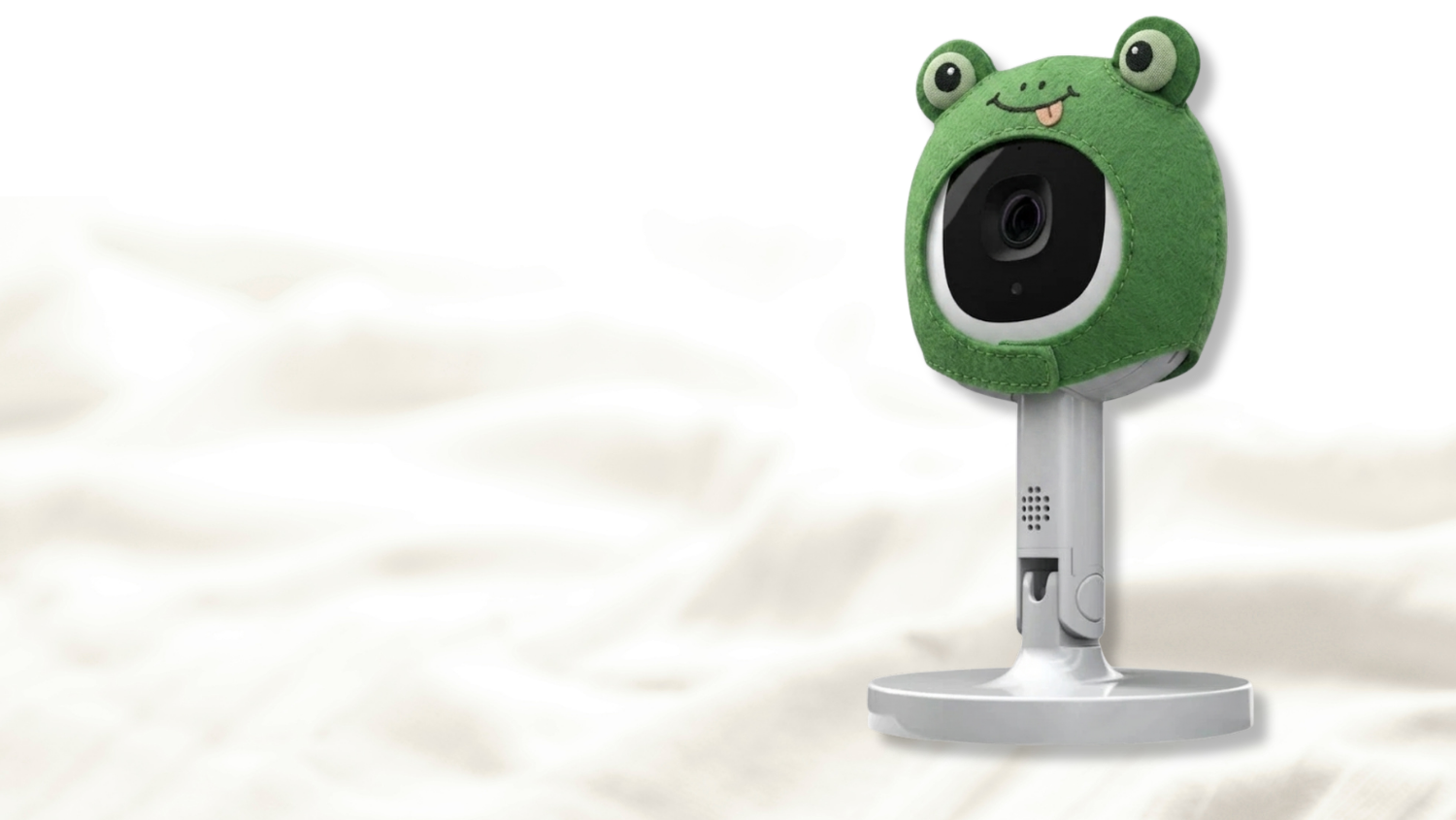
Every new parent knows the feeling: standing over a crib at 2 a.m., trying to figure out if the baby’s breathing sounds normal. Assaf Glazer, a Technion alumnus with a PhD in machine learning and computer vision, turned that exact moment of sleep-deprived worry into Nanit, the AI-powered baby monitor now used by more than a million families every night.
Technion Roots
Glazer developed Nanit through the Runway Startup Postdoc Program at the Jacobs Technion-Cornell Institute, a joint venture between Cornell and the Technion designed to move academic research into real products. He applied the computer vision techniques from his Technion doctorate to a problem he was living through as a new father: understanding his own baby’s sleep. That research became the foundation for what is now one of the most recognized names in babytech.
How Nanit Works
Nanit uses computer vision and machine learning to track a baby’s sleep patterns overnight, not just stream video. Reviewers highlight the crisp live feed, sleep-pattern dashboards, and automatic overnight timelapse recaps as the features that set it apart from a standard monitor. Two-way audio and customizable “team member” access let caregivers beyond just parents check in, turning a single camera into a shared tool for the whole household.
The product has built a following well beyond first-time parents comparing notes online. Nanit has appeared on Kim Kardashian’s list of favorite baby products, helping push the monitor from a Technion postdoc project into mainstream parenting culture.
The Bigger Question
Nanit’s growth reflects where babytech is headed: AI systems that do more than observe, offering parents insights and predictions about their child’s development. That shift also raises real questions worth sitting with, about how much data a camera in a nursery should collect, who has access to it, and what constant monitoring means for how kids grow up. Those questions do not cancel out the value of the technology. They are the natural cost of building tools this capable.
What Nanit shows clearly is the throughline from Technion research to products that reshape daily life for families around the world, one sleep-deprived night at a time.